
Lab. Theater A.T.K & University of Arts, Tirana
LEADER
EUGEN IONESCO
Premiere November 1999 Produced by Skamapa Theater, Albania
Premiere 27 September 2003 Produced by Ariel Theatre, Romania
Premiere 15 September 2004 Produced by V.Cernodrinksi Theatre, North Macedionia
Premiere 15 April 2015 Produced by Lab. Theater A.T.K & UET, Albania
Directed by Adonis Filipi
MJESHTRI (Master) is a non-verbal physical theatre performance inspired by Eugène Ionesco’s absurd universe. Through ritualized repetition, grotesque humor and mechanical actions, performers await the arrival of “The Master” a headless authority figure proclaimed a genius. As bodies repeat gestures and language fragments into sound and rhythm, individuality gradually dissolves into collective behavior. The performance relies on physical presence, visual excess and failure rather than narrative explanation, revealing patterns of obedience, expectation and delegated responsibility.A grotesque and darkly comic experience where waiting becomes action — and action becomes empty.
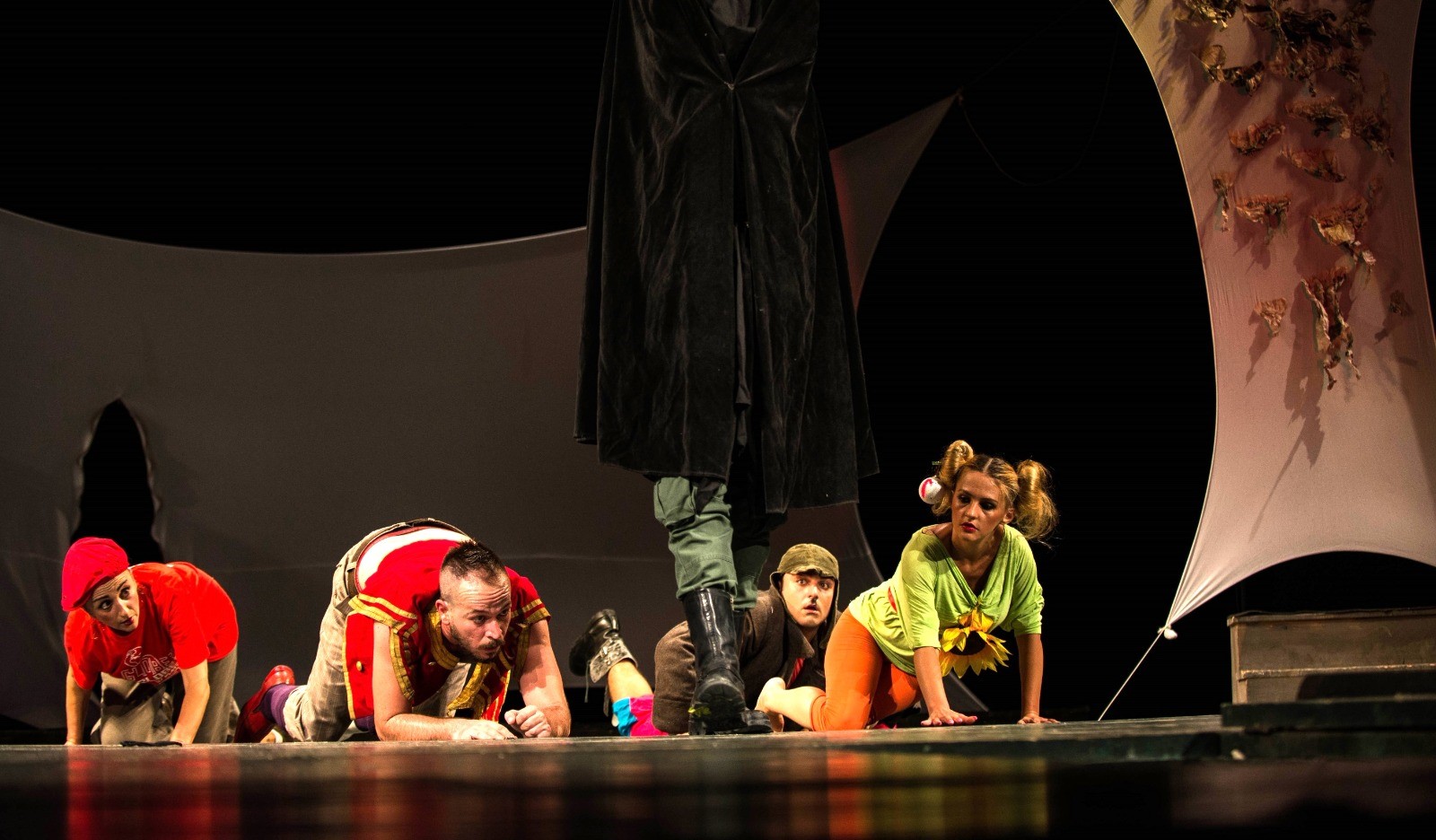
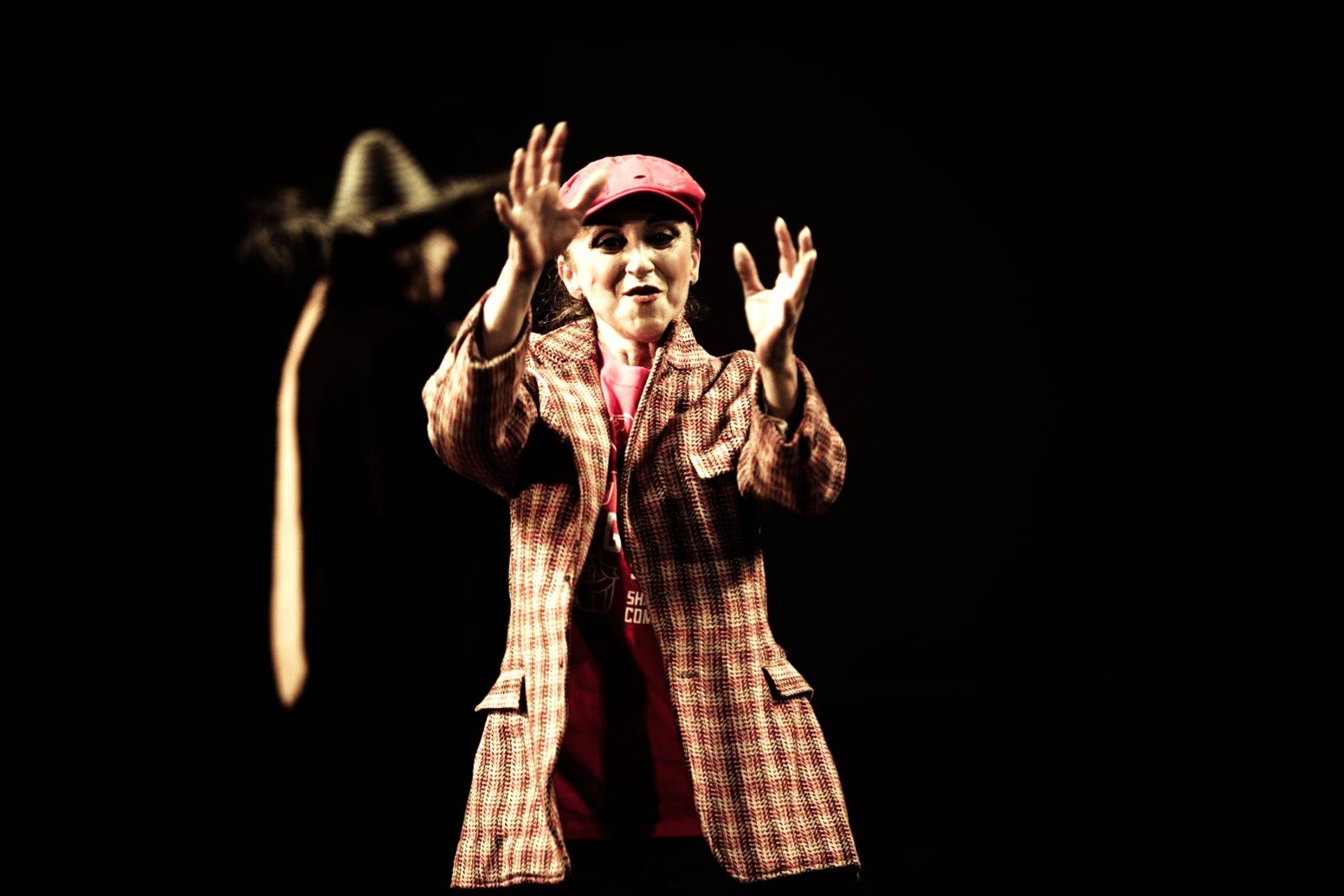
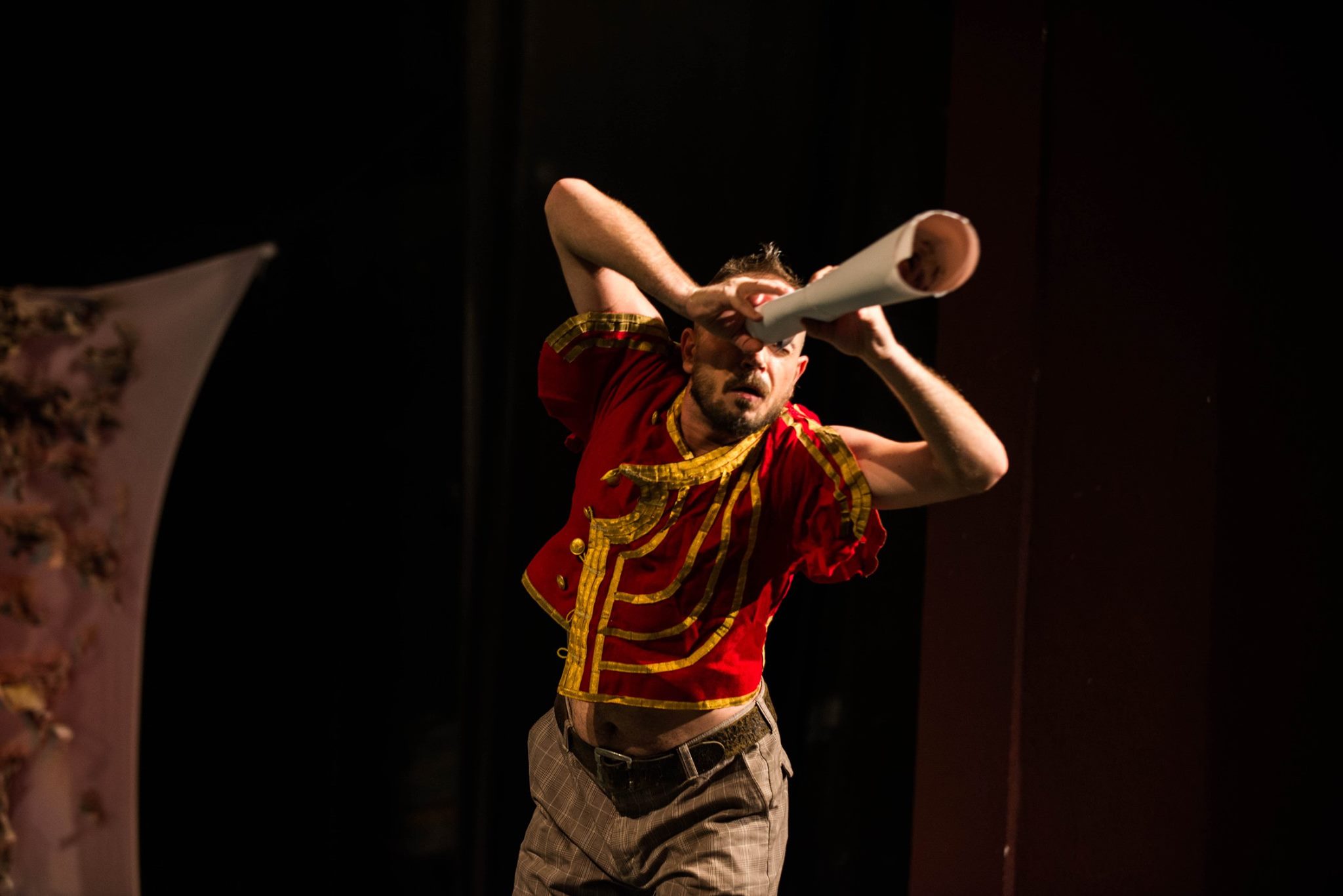
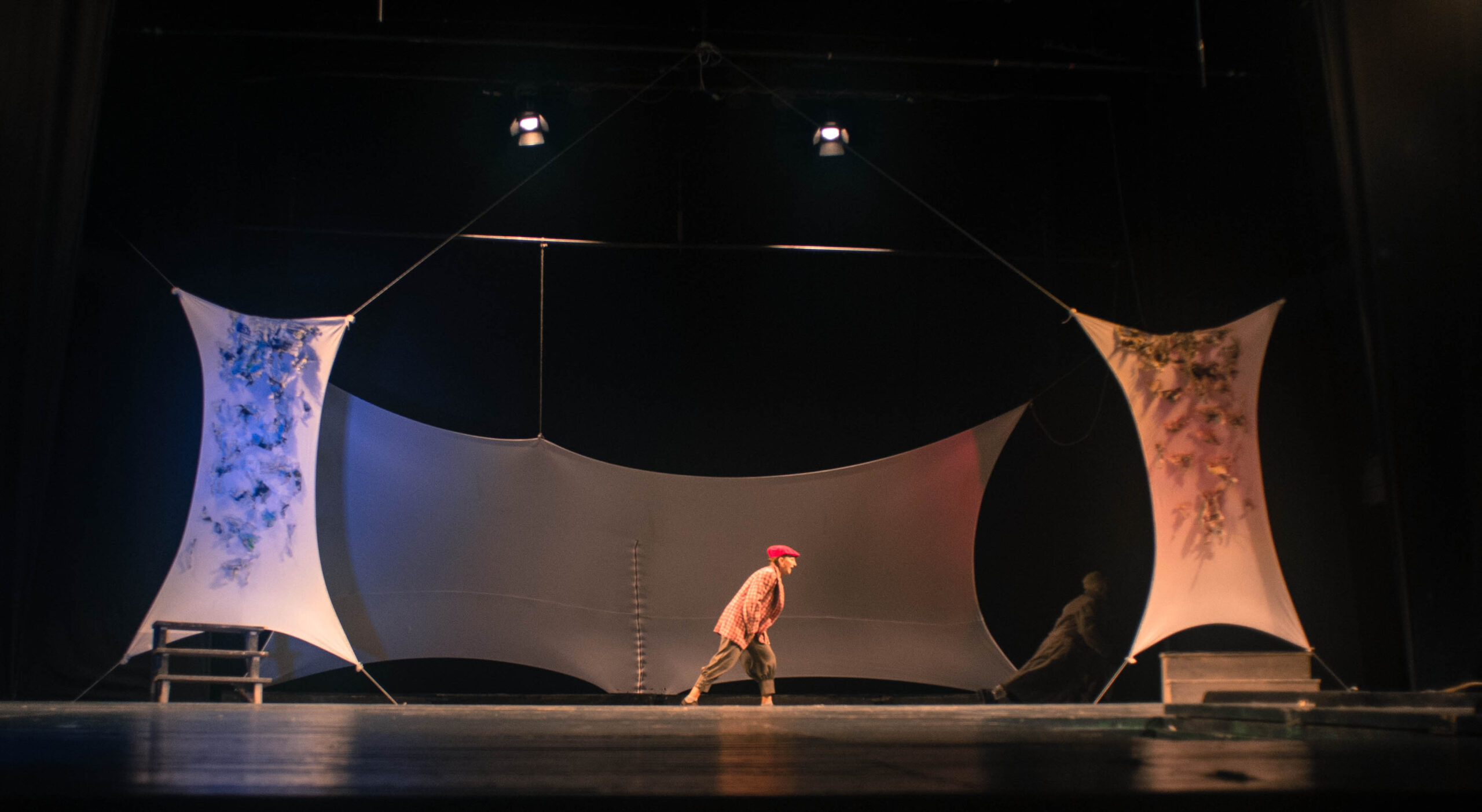

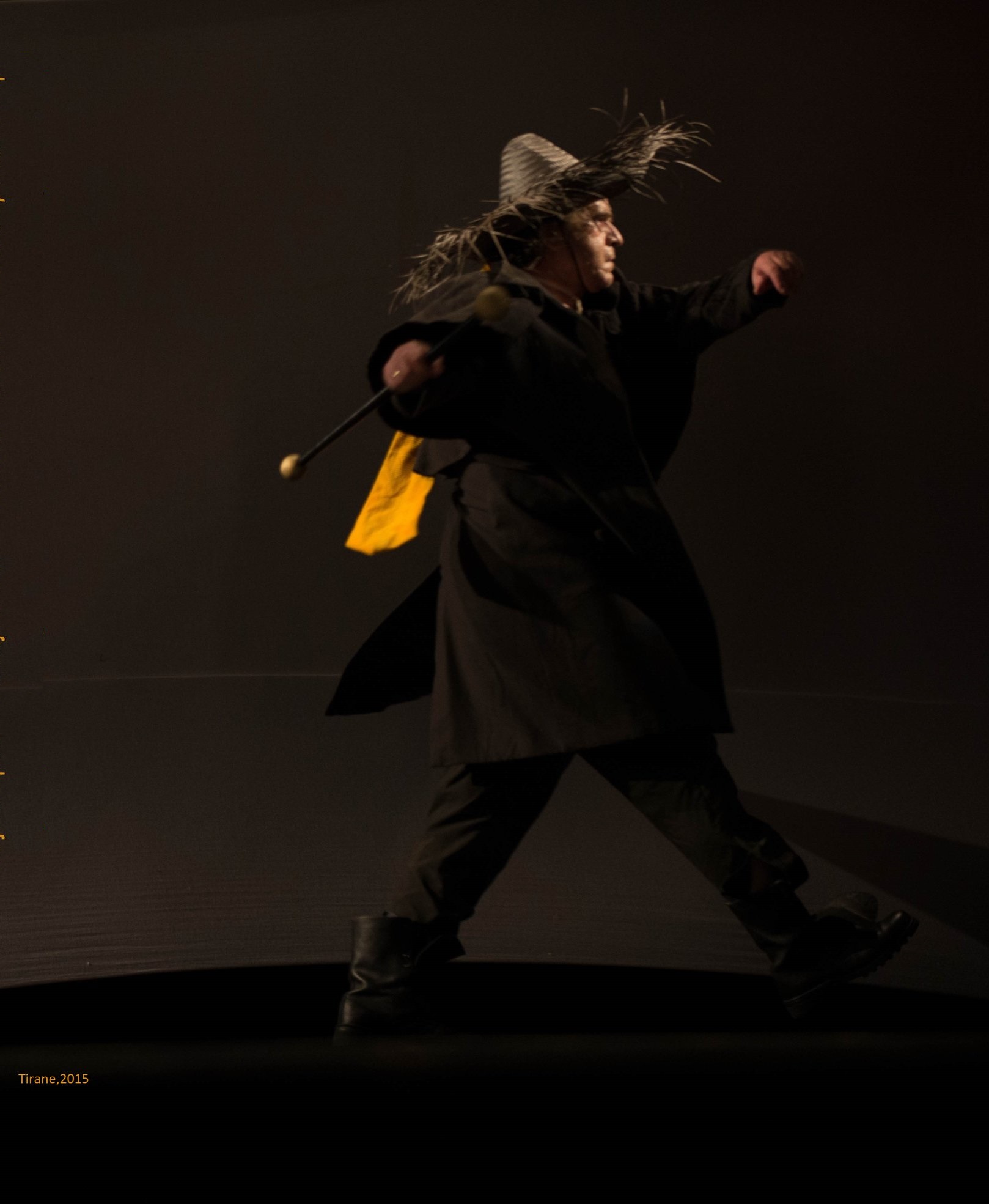
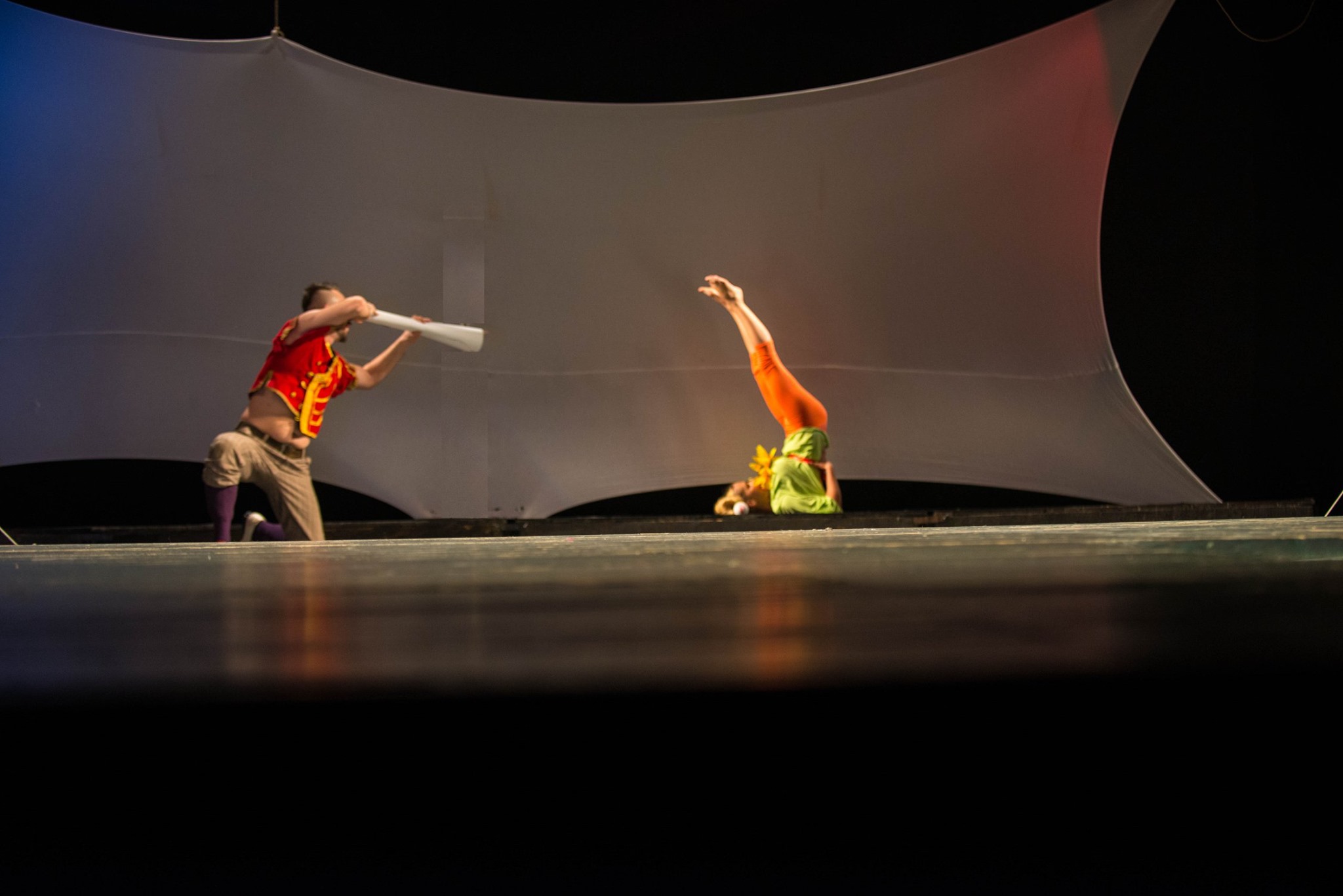
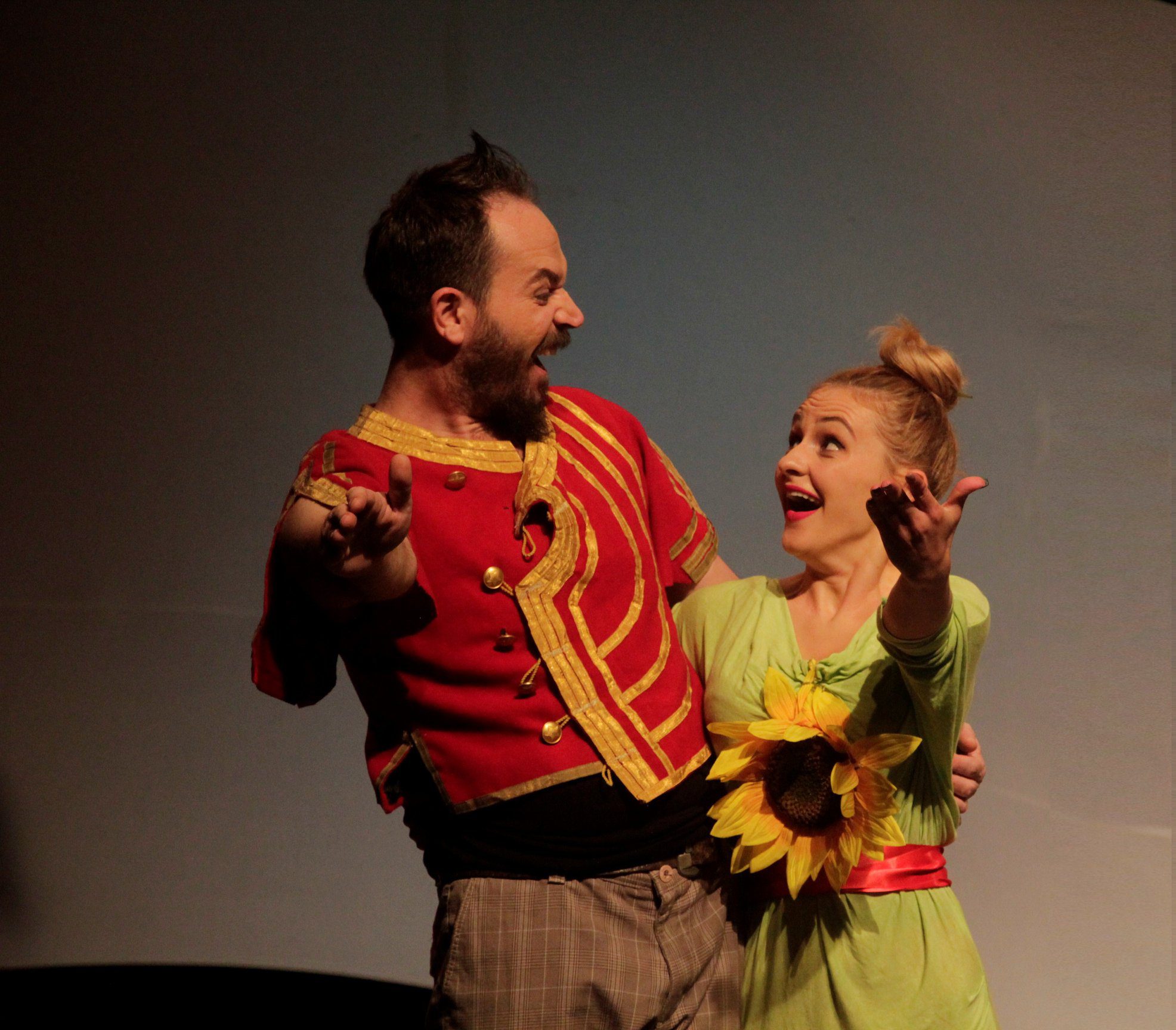
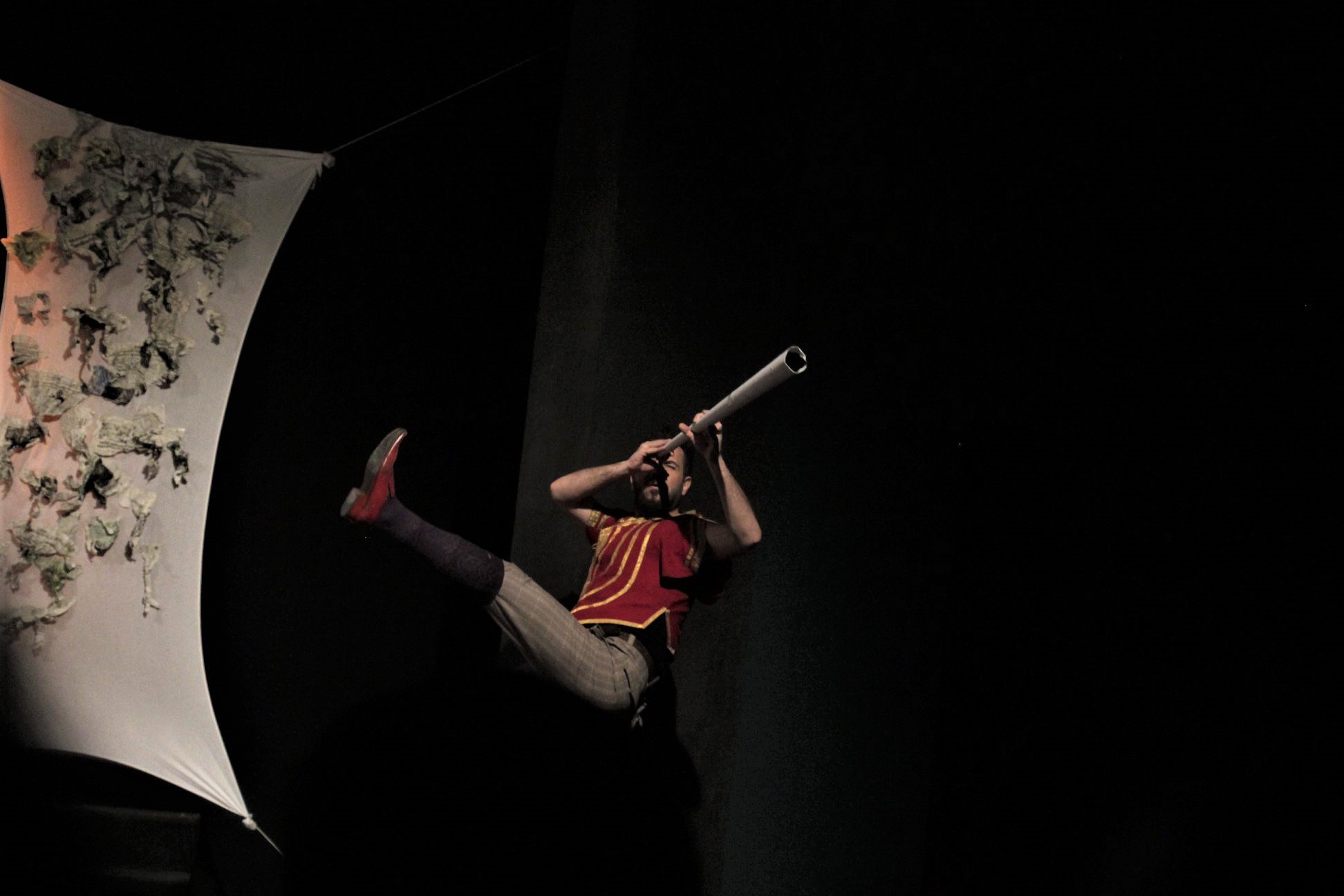
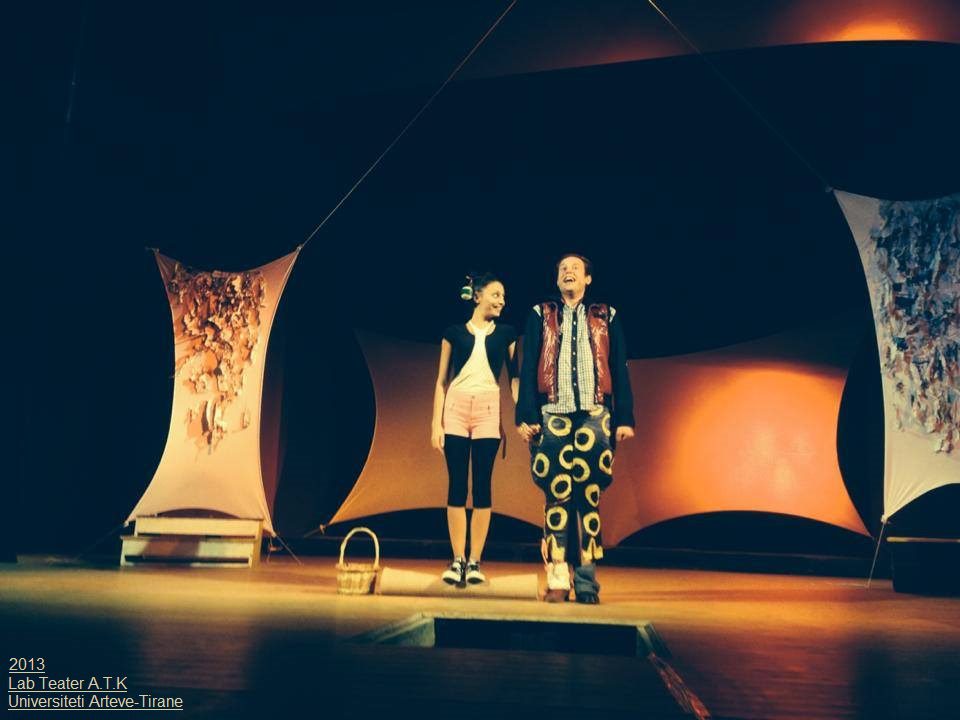
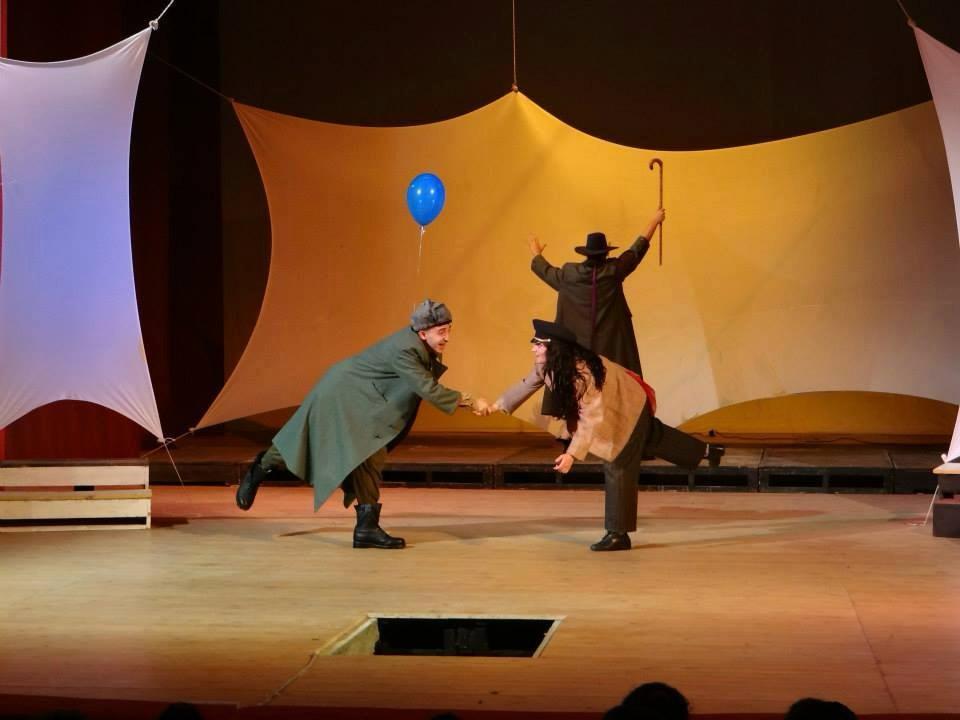
“Director strives to create “fierce, impetuous theater -” screams”. It should be noted that Director Adonis Filipi after the author immediately distinguished himself as a connoisseur of the scene. He has the undoubted talent to do, “visible”, “touchable” any theatrical situation, an extraordinary power of imagination, that dark, that can cause Homeric laughter humor”.
“The play proposes to apply to the roots of theater arts. The play uses the tools of primitive grotesque, bringing the techniques conventionally theatrical exaggeration to the extreme, “cruel”, “unbearable” forms, the “paroxysm” of the comic and the tragic. Meanwhile, it is neither surrealism nor Dada. The language with the help of funny paradoxes, clichés, sayings and other word games are exempt from the usual meanings”.
“His origin performances Filipi lead from street theatre, commedia Dell’arte, circus, clowning, movies, Chaplin, B. Keaton, the Marx brothers, ancient Comedy and medieval farce — you can find the origins of for example, limericks and “renderowanie” , Bruegel proverbs and he artistic paradoxical pictures. A typical method — the pile of items that threaten to engulf actors; things take on life, and people turn into inanimate objects”.